
Wellness Tourism Reshapes Gulf Executive Travel

Spa hotels across the Gulf are no longer a luxury add-on for business travelers. In 2026, recovery-focused stays are becoming a core part of how executives manage performance on the road.
Spa hotels across the Gulf are no longer a luxury add-on for business travelers. In 2026, recovery-focused stays are becoming a core part of how executives manage performance on the road.
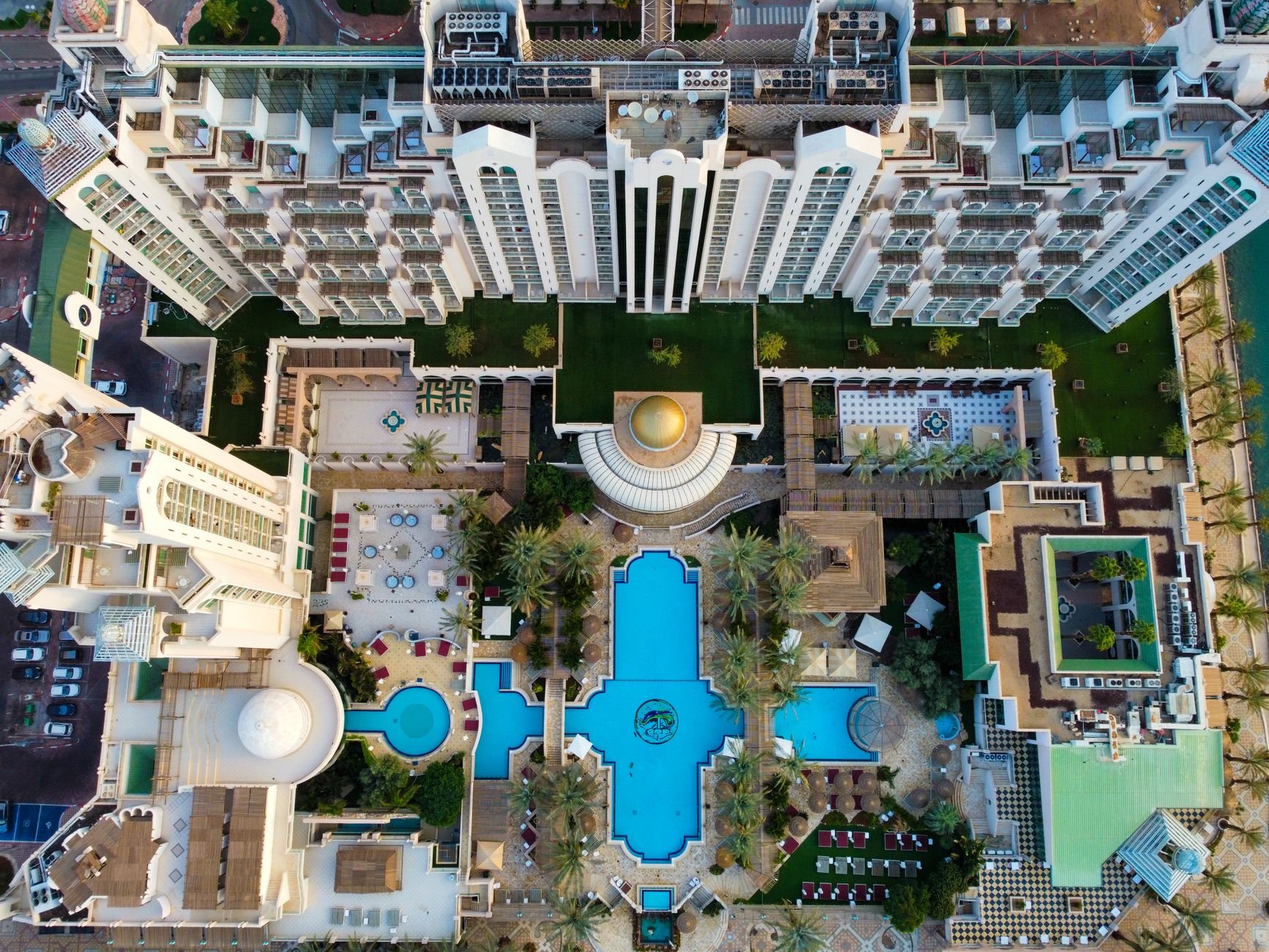
Luxury spa hotels across the Gulf are no longer just leisure destinations. In 2026, they have become calculated strategic tools for executive retreats, deal-making, and corporate hospitality at the highest level.

The aviation industry is changing fast, and cabin crew roles are changing with it. From AI-assisted service to new Gulf carrier expansions, here is what job seekers need to know.
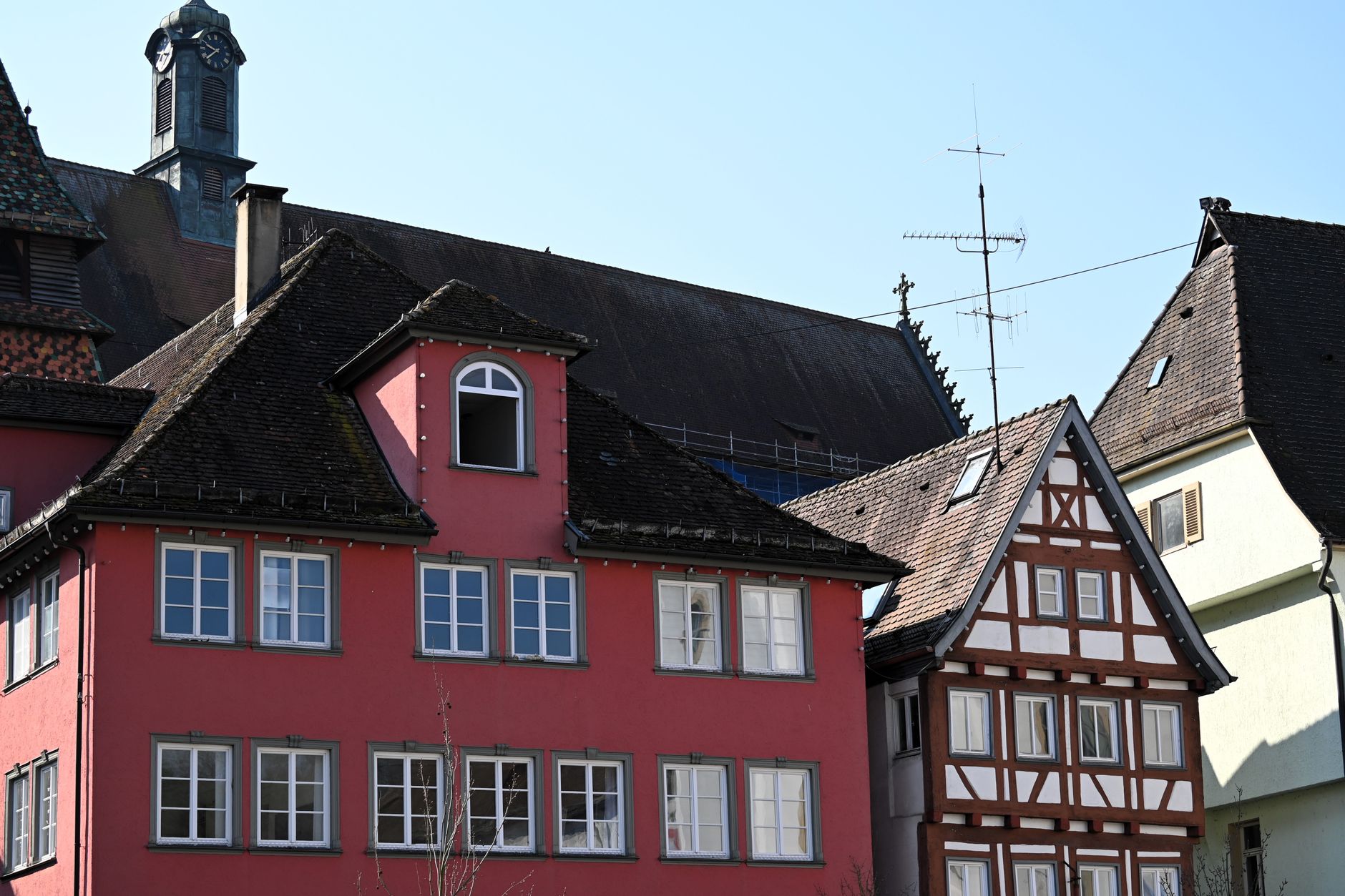
Wenn im DACH-Raum über ausländische Direktinvestitionen gesprochen wird, fällt der Blick oft auf Metropolen, Flughäfen und große Industriezentren. Baden-Württemberg passt nicht immer in dieses erste Raster. Das Bundesland wirkt nach außen eher mittelständisch geprägt, föderal organisiert und in vielen Regionen bewusst kleinteilig. Genau diese Mischung aus industrieller Substanz, Forschung, Lebensqualität und planbarer Verwaltungspraxis trägt aber … Read more

Testsieger, Preise und Bedingungen: Sieben deutsche Reiseversicherer im Direktvergleich für Kreuzfahrten 2026 – mit Fokus auf Kabinenerkrankung, verpasster Zubringer und Rücktransport.

DIFC and ADGM are the UAE’s two common-law financial free zones. Both offer 100% foreign ownership, independent English-language courts, and world-class regulators, but they differ in cost, ecosystem depth, and how directly they apply English law. Here is how to choose in 2026.
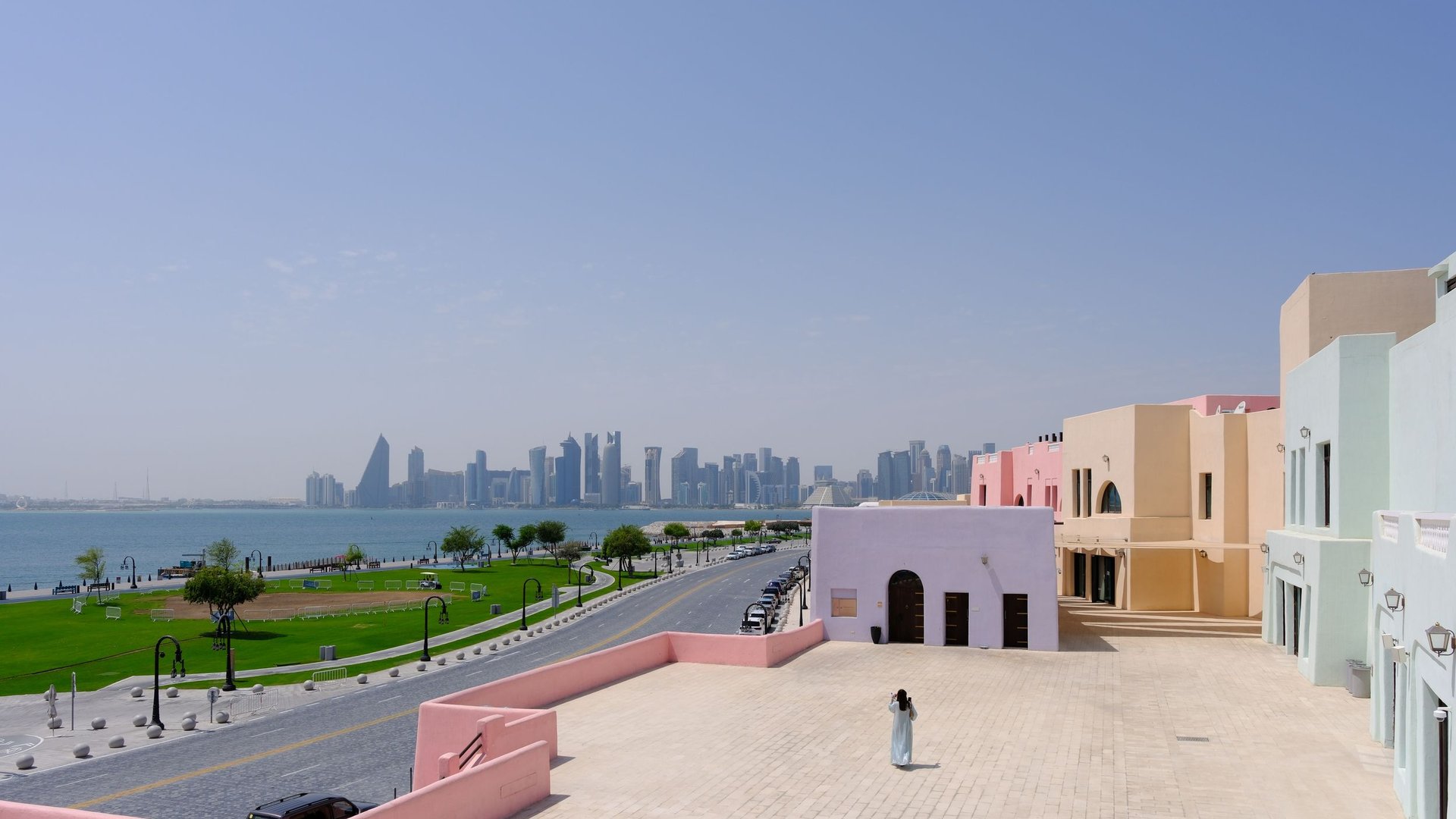
Qatar has spent the post-World-Cup years rewiring its investment framework to compete with the UAE and Saudi Arabia. Foreign Investment Law No. 1 of 2019 dismantled the old 49% ownership ceiling, and the QFC and QFZ platforms give international founders common-law comfort and tax holidays.
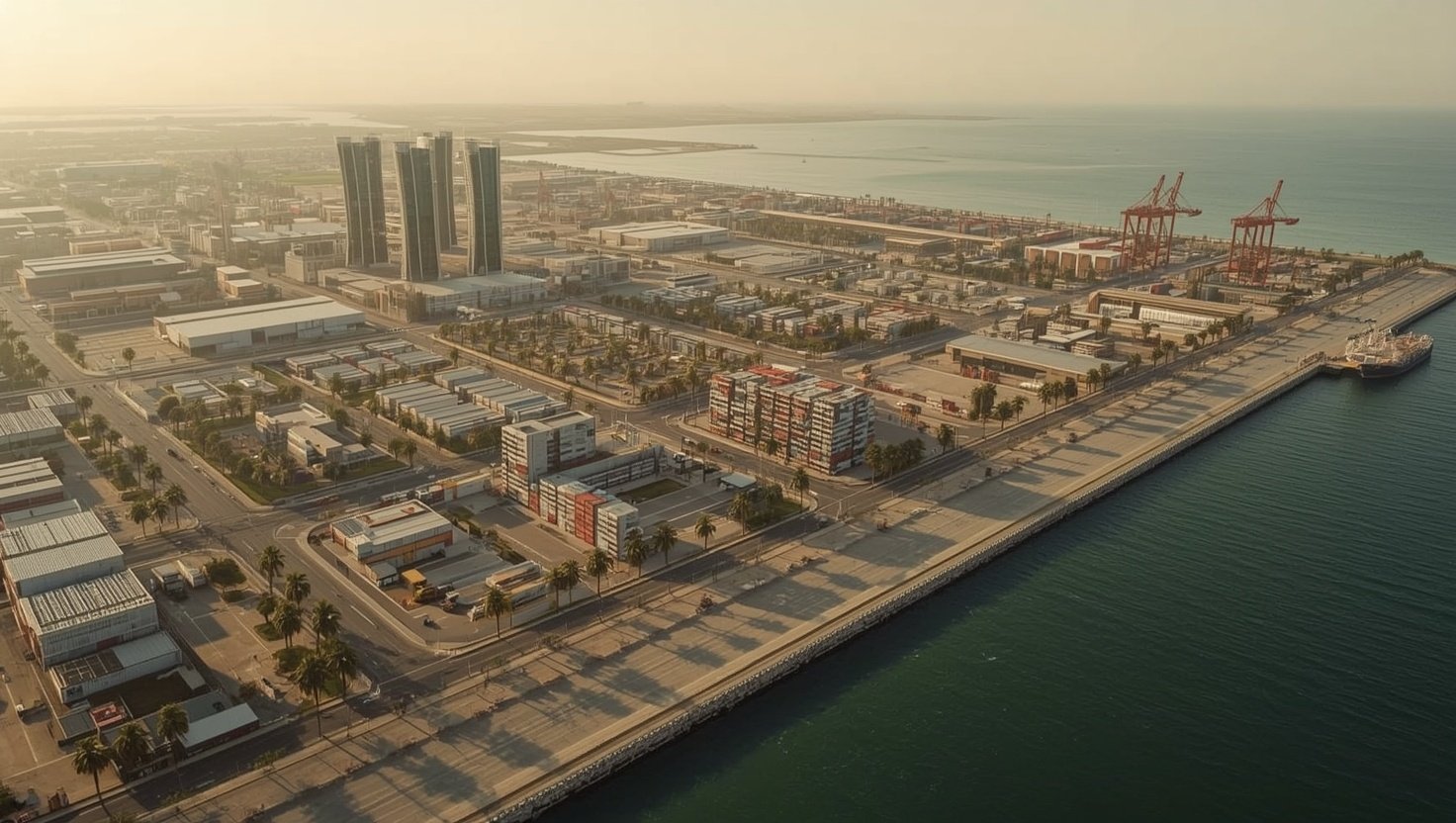
Saudi Arabia’s Special Economic Zones (SEZs) went live on 16 April 2026, unlocking the most aggressive tax package in the Kingdom’s history: a 5% corporate income tax rate for up to 20 years, zero withholding tax on dividends, 0%…
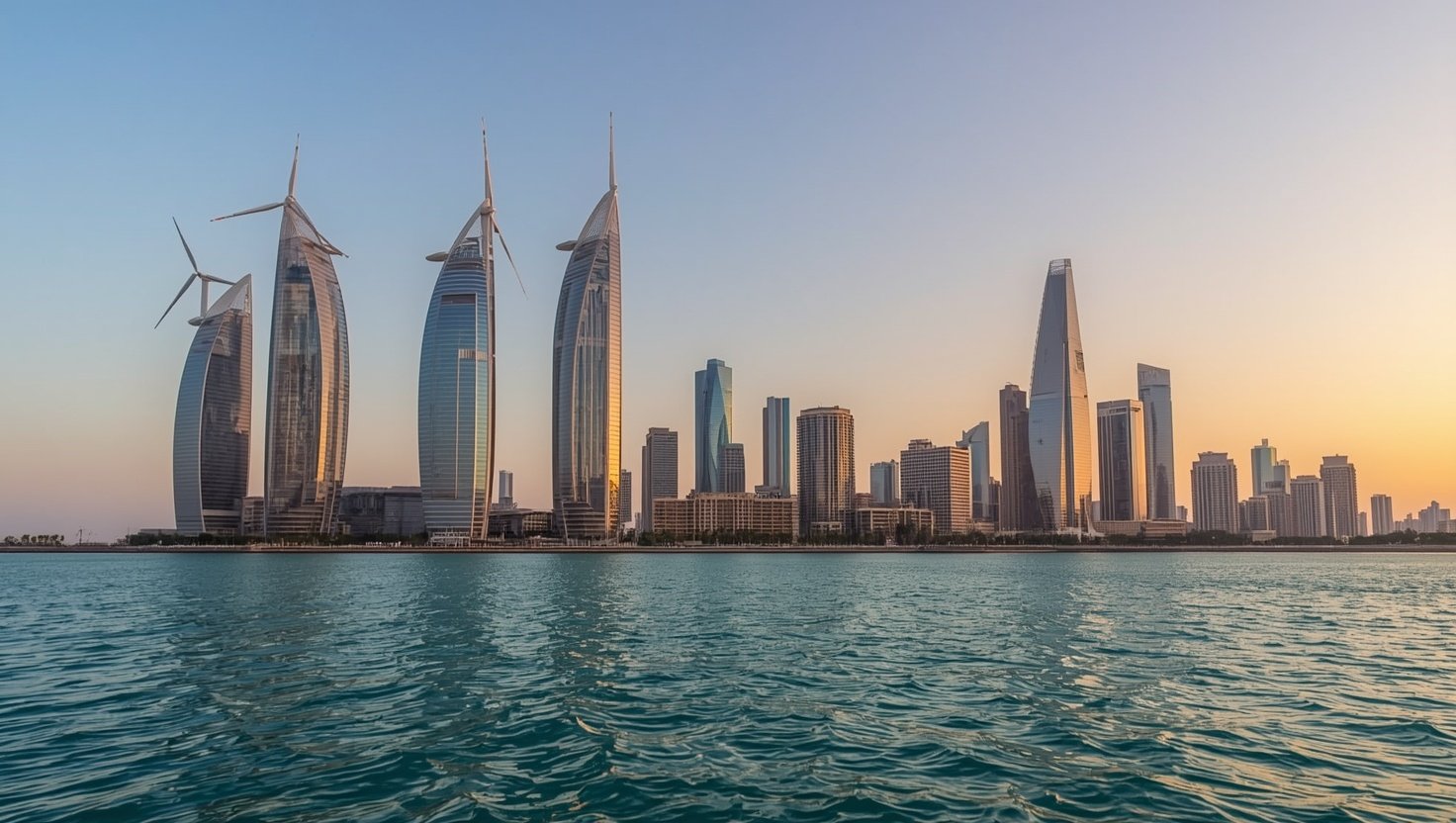
Bahrain has quietly become the GCC’s most cost-efficient entry point for foreign entrepreneurs. With 100% foreign ownership across more than 350 activities, no corporate income tax on most SMEs, and formation timelines of just 15…
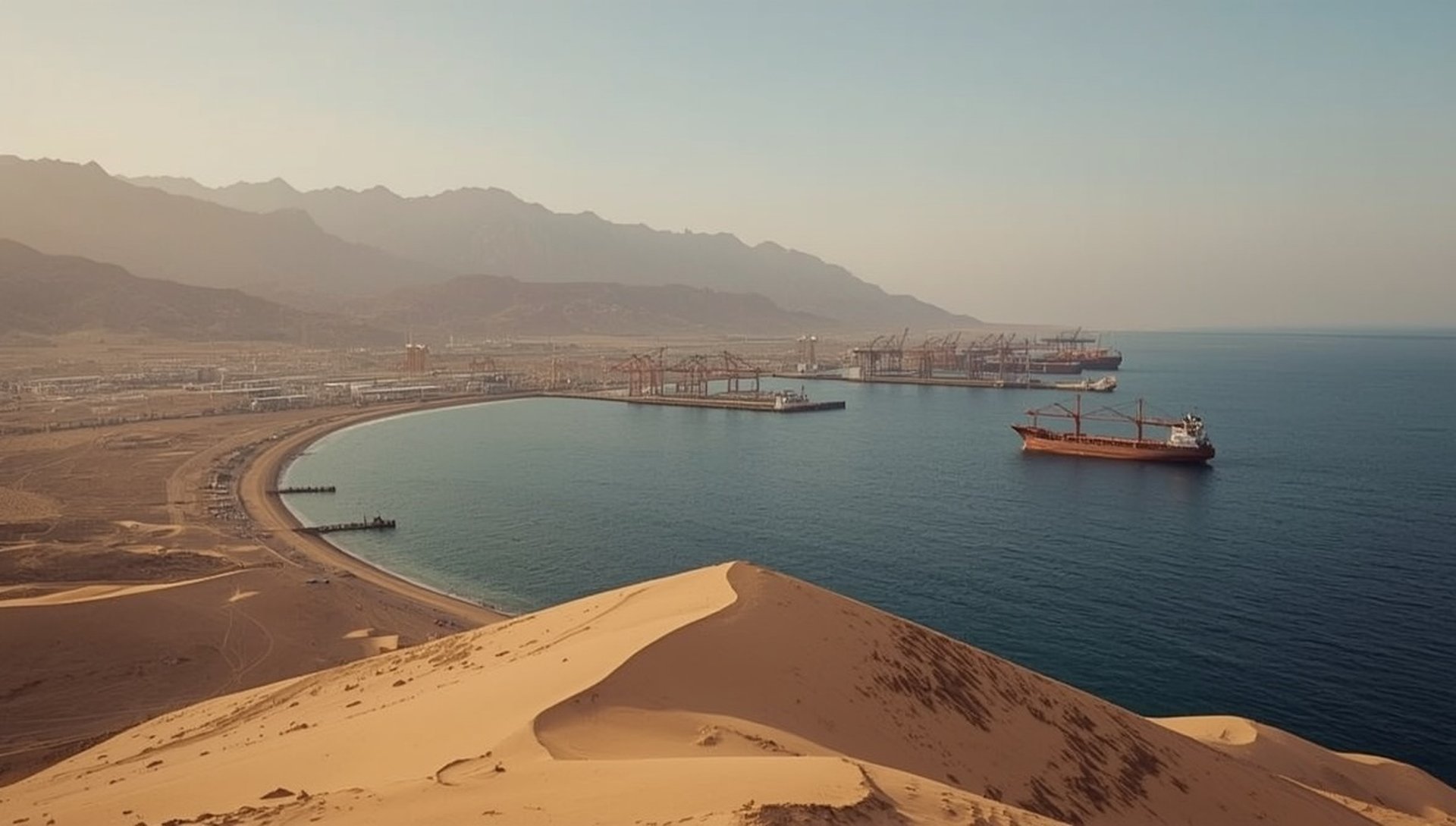
Oman has quietly become one of the most investor-friendly jurisdictions in the GCC. A modernised Foreign Capital Investment Law, four large special economic zones, and one of the lowest corporate tax rates in the region make the Sultanate a serious…